
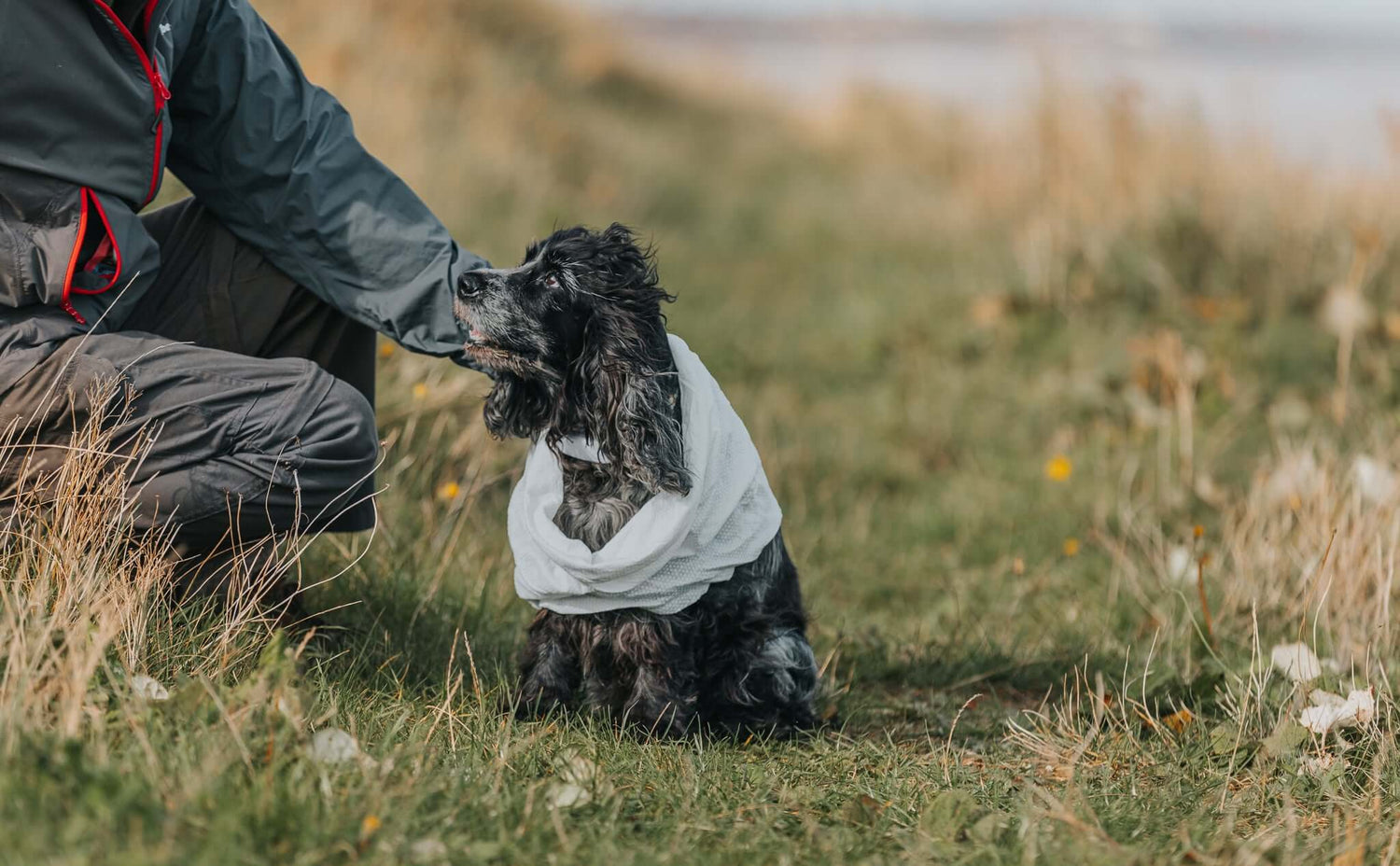

How Often Should You Walk Your Dog?
A Stress-Free Guide for UK Owners
If you’ve ever wondered “how often should I walk my dog?”, you’re not alone. Advice online can feel confusing, contradictory, and sometimes guilt‑inducing — especially for busy dog owners trying to do their best.
The reassuring truth is this: there isn’t one perfect walking routine that suits every dog. What matters most is supporting your dog’s overall wellbeing — physical, mental, and emotional — in a way that fits real life.
This guide offers clear, practical reassurance without pressure or rigid rules.
The short answer
For most healthy adult dogs, one walk a day is a sensible starting point.
Some dogs enjoy two shorter outings, while others are perfectly content with one longer, calmer walk. Walking needs vary depending on age, health, energy levels, personality, and environment.
From a wellbeing perspective, it’s not about ticking boxes — it’s about how your dog feels overall.
Why walking is about more than exercise
Walks aren’t just physical activity. They play a key role in supporting emotional and mental wellbeing too.
Walking helps provide: - Mental stimulation through new smells and environments
- Emotional regulation, allowing dogs to decompress
- Routine and predictability, which many dogs find reassuring
- Connection time between you and your dog
A slower walk with plenty of sniffing can be just as valuable as covering distance.
A wellbeing-first approach to everyday care
At DotDotPet, we take a wellbeing-first approach to everyday dog care — focusing on routines that support dogs both physically and emotionally. Rather than rigid rules, that means understanding what helps your dog feel calm, secure, and supported in daily life.
This way of thinking is shaped by science-led insight and informed by our work alongside animal welfare organisations like Battersea, where listening to dogs’ needs always comes first.
Walking needs at different life stages
Puppies
Puppies don’t need long walks. Their bodies are still developing, and too much exercise too soon can be unhelpful.
Instead, focus on short, gentle outings that allow time to sniff, explore, and build confidence. At this stage, walks are about positive experiences — not distance.
Adult dogs
There’s no universal rule for adult dogs.
Some thrive on one longer daily walk, while others feel better with two shorter outings spread across the day. Energy level often matters more than breed — and even that can change over time.
Senior dogs
Older dogs still benefit from walking, but usually at a gentler pace.
Many senior dogs prefer shorter walks, slower routes, and flexibility around rest days. Listening to signs of fatigue or discomfort is an important part of wellbeing‑led care.
What if you can’t walk your dog every day?
Life happens. Weather turns. Energy dips.
Missing an occasional walk doesn’t make you a bad dog owner. On quieter days, enrichment at home can help support balance and wellbeing — such as scent games, food puzzles, calm training sessions, or relaxed bonding time.
Signs your dog is getting the right amount of walking
Rather than focusing on minutes or miles, look at your dog as a whole.
Positive signs often include relaxed behaviour at home, settled sleep, a steady appetite, and the ability to focus and engage. Every dog shows contentment differently.
A calmer way to think about dog walking
A good walk isn’t defined by distance, duration, or step count.
It’s one where your dog feels safe, has space to explore, and comes home settled. That’s what a wellbeing‑first approach to walking looks like.
If you are heading out for a dog walk make sure you are prepared for whatever the weather may have in store or whatever your dog may get up by stocking up on DotDotPet's Eco Towels - perfect for all doggy adventures



Hinterlasse einen Kommentar
Alle Kommentare werden vor der Veröffentlichung geprüft.
Diese Website ist durch hCaptcha geschützt und es gelten die allgemeinen Geschäftsbedingungen und Datenschutzbestimmungen von hCaptcha.